Families and astronomy enthusiasts gathered in anticipation as the city’s annual Family Astronomy Night illuminated the local park with curiosity and wonder. The cool evening breeze and the rustle of autumn leaves set the stage for an enchanting event where urban dwellers could escape the city’s bright lights to glimpse the night sky. Organizers encouraged visitors to dress warmly, as the crisp temperatures after sunset promised a truly authentic stargazing experience for everyone present.
Local astronomy clubs, bolstered by passionate volunteers, transformed the park into a makeshift observatory dotted with high-powered telescopes. Volunteers stood ready to guide participants of all ages through the basics of astronomy, offering hands-on opportunities to look through equipment rarely accessible to everyday city residents. According to event coordinator Lisa Raymond, “This night is about making the cosmos accessible. We want families to feel that exploring the universe is within their reach, no matter where they live.”
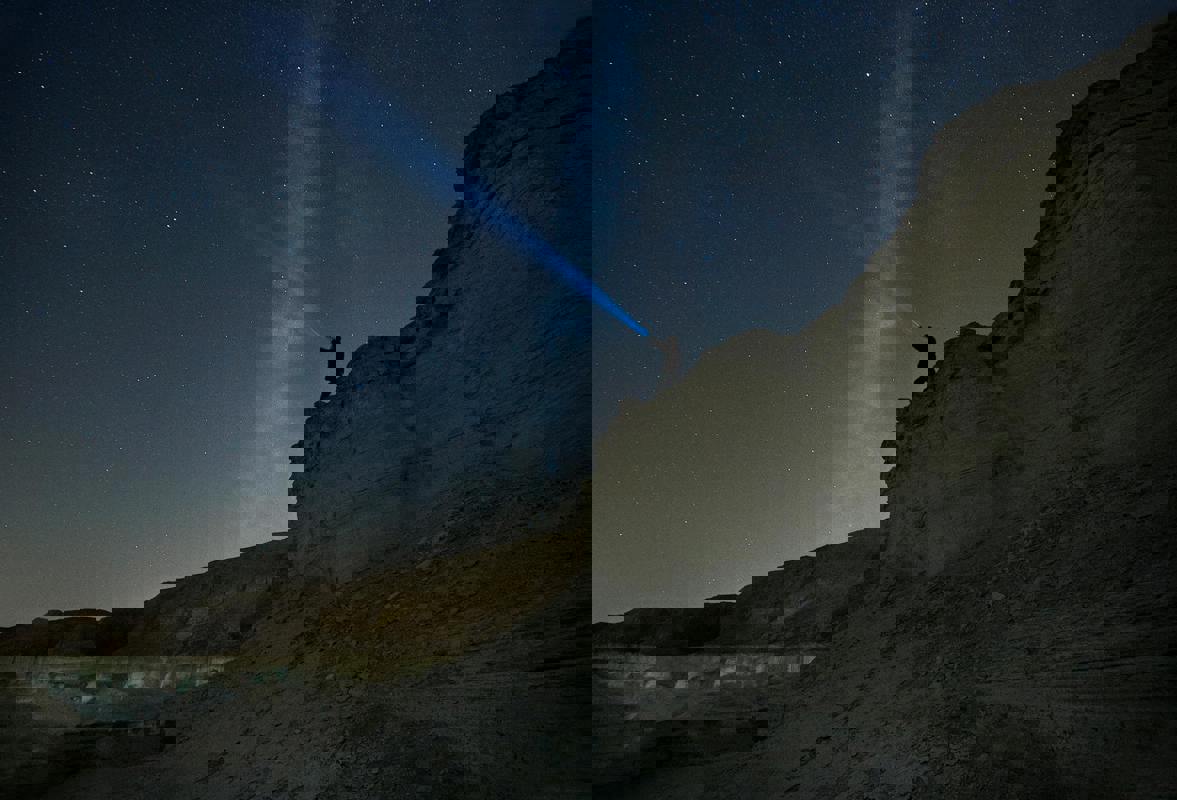
As dusk melted into night, the first celestial sights emerged overhead. Children’s faces lit up with excitement as they peered through telescopes, some viewing the twinkling craters of the moon for the very first time. Expert astronomers circulated throughout the crowd, explaining the patterns of constellations like Orion, Ursa Major, and Cassiopeia. Using green laser pointers, guides highlighted stars and planets, helping visitors connect celestial dots across the inky canvas.
Interest in astronomy is on the rise in Canada, with local clubs reporting a surge in new memberships and public program attendance in recent years. According to the Royal Astronomical Society of Canada, over 12,000 members now participate in stargazing activities nationwide. Family Astronomy Night taps into this enthusiasm, providing an accessible, cost-free opportunity for city residents to deepen their understanding of the universe outside the classroom.
One of the highlights of this year’s event was a live demonstration of astrophotography. Local photographer Saad Patel, renowned for his striking images of the night sky, explained the basics of capturing stars and planets using digital cameras and smartphone adapters. Parents and children alike were invited to try snapping their own images, adding a personal and creative dimension to the evening’s explorations.
Planetary views proved to be another draw, with Saturn’s rings and Jupiter’s cloud bands both visible through the club’s largest telescope. For many guests, spotting these giant planets was an unforgettable experience. “I never thought I’d see Saturn with my own eyes from a city park!” exclaimed attendee Gabrielle, holding her son close as he gazed in amazement. Such moments, organizers say, embody the event’s goal of fostering shared wonder.
Education played a central role throughout the night, with interactive talks and hands-on activities tailored for young learners. Volunteer educators led workshops on meteorites, explaining how these space rocks form and where they land on Earth. They even offered samples of real meteorites for visitors to hold, sparking many conversations about our planet’s place in the solar system and beyond.
For those hoping to take more knowledge home, the park’s community center provided free star maps and fact sheets about upcoming astronomical events. Volunteers explained how to spot future meteor showers or lunar eclipses from typical city locations. This emphasis on practical information ensured that the event’s impact would last beyond a single night, empowering families to continue their own stargazing adventures.
Inclusivity was a priority for organizers, who made deliberate efforts to welcome newcomers to the world of astronomy. Multilingual information booths and volunteers accommodated non-English-speaking families, ensuring no one felt left out of the festivities. Volunteer Fatima Rahman noted, “We see families from all walks of life at our events. Astronomy is a truly universal passion, and we want everyone to feel part of it.”
While most were content simply marveling at the universe through telescopes, some visitors inquired about opportunities to further their interest. Organizers shared information about local astronomy classes and upcoming night sky programs, encouraging deeper community engagement. As amateur astronomer Mark Buchanan pointed out, “Events like these create new astronomers. You never know who might become Canada’s next big stargazer.”
The evening wrapped up with a short guided walk, where leaders encouraged families to look up without the aid of telescopes. They pointed out how even in urban settings, familiar stars and the occasional planet remain visible by eye alone. This final activity underscored how accessible and rewarding skywatching can be, with experts reminding guests that city lights are no barrier to astronomical curiosity.
As telescopes were stowed and families prepared to head home, the park buzzed with satisfied chatter and promises to return for future events. Organizers hailed the event as a resounding success, citing high turnout and enthusiastic feedback. In a city constantly alive with activity, Family Astronomy Night stood out as a sparkling reminder that space for wonder—and for community—still exists right above our heads.