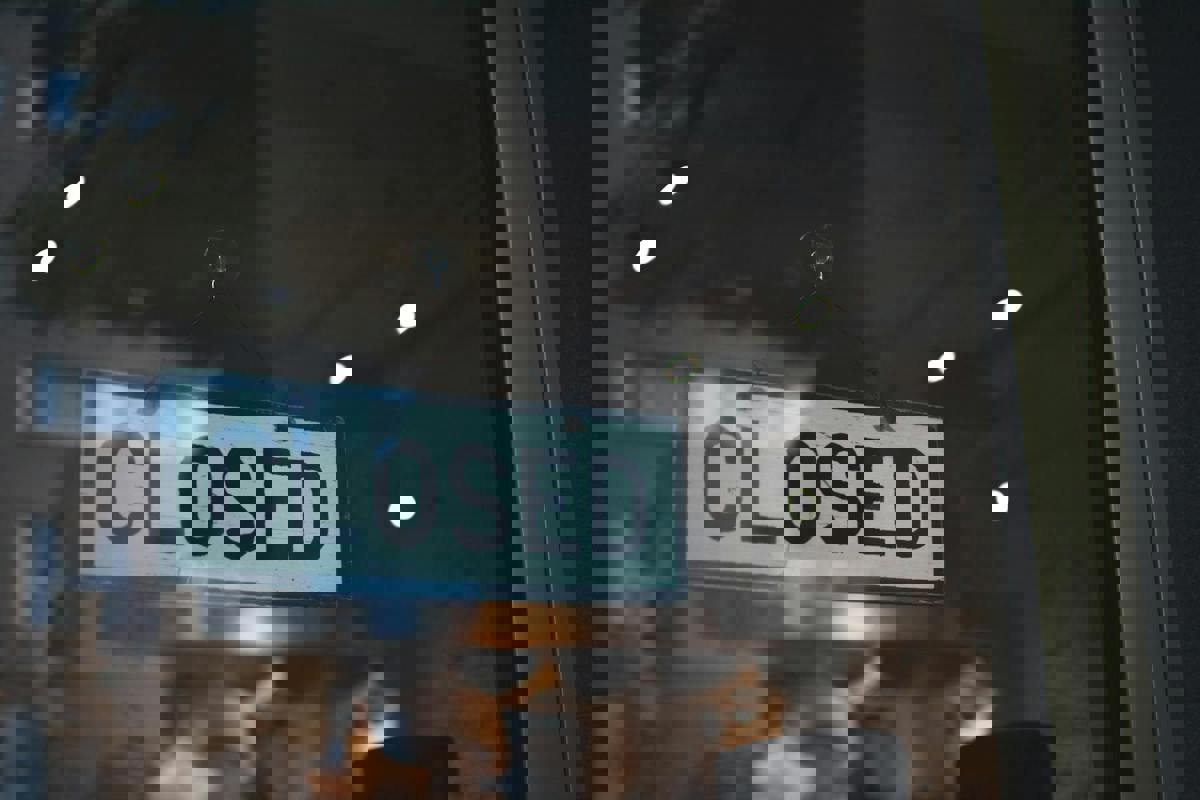
Commercial rent surges across major Canadian urban centres are pushing boutique retailers to a crossroads, forcing many to reconsider the viability of their traditional storefronts. The increased leasing costs, particularly in high-traffic retail districts, are creating significant financial strain on small businesses that operate with thin margins. According to industry watchdogs, commercial rents in some retail corridors have climbed by more than 15 percent over the past year, an increase that many find unsustainable.
Small businesses, especially independent boutiques, are uniquely vulnerable to these market shifts. Unlike larger chains with diversified revenue streams, boutique retailers often rely heavily on their physical presence to maintain brand identity and customer loyalty. Many owners report that sudden rent hikes are their largest single expense, outstripping payroll and inventory costs, and leaving little room for operational flexibility.
Retail consultants suggest the surge in leasing rates can be traced to landlords seeking to recover pandemic-era losses, coupled with heightened demand for street-level retail. Sandra Bell, a commercial real estate advisor, notes, 'Landlords are keen to maximize their returns and are less willing to negotiate concessions. This is squeezing out the smaller tenants who brought diversity and character to our shopping districts.'
The impact of these rent increases is not just financial but cultural. Boutique shops lend a distinctive personality to city blocks, attracting both locals and tourists alike. 'When these small retailers close or downsize, we’re losing more than just a shop—we’re losing part of the community’s unique fabric,' says Diane Chen, executive director of a local business improvement association. This trend risks tilting retail districts toward homogeneity, with larger chains filling the resulting vacancies.
In response, many boutique owners are reassessing their brick-and-mortar strategy. Some are seeking out less central, but more affordable, retail locations within cities, transitioning from prime shopping corridors to emerging neighborhoods. Others are opting for pop-up shops or shared retail spaces, reducing fixed costs while maintaining a limited in-person presence. These adaptations allow them to survive, but often result in decreased visibility and customer traffic.
A notable shift is the increasing embrace of e-commerce as a primary retail channel. Boutique retailers, once known for their hands-on, personalized service, are building robust online platforms to reach customers beyond geographical constraints. According to Commerce Canada, small business online sales in the retail sector rose by 20 percent last year, driven by necessity and shifting consumer preferences. This move online is not without challenges—boutique shops must now compete in the crowded digital marketplace.
City governments and business associations are taking note of the mounting pressure on independent retailers. Some advocacy groups are calling for policy interventions such as commercial rent control, tax incentives for landlords leasing to small businesses, or grants that help boutiques weather periods of economic uncertainty. Municipal economic development offices are also launching programs to educate and assist small business owners in navigating changing market dynamics.
Landlords, for their part, express a different set of concerns. Many argue that rising property taxes, maintenance costs, and inflation necessitate higher rents. 'Managing a commercial property is more expensive than ever,' states property manager Alex Reilly. 'As much as we value our long-term small business tenants, market pressures are tough to ignore, especially with increased competition for prime locations from larger brands.' This ongoing tension reflects broader shifts in the urban retail real estate market.
Experts caution that a commercial landscape dominated by large multinational chains may erode customer choice and the diversity that makes city shopping districts attractive. Dr. Martin Lopez, an urban studies professor, explains, 'When small, independent shops disappear, we lose the creativity, innovation, and tailored service they bring. It’s vital to find solutions that enable boutiques to retain a physical presence in our cities.' This issue is becoming a focal point for urban policy debates.
Looking ahead, the future for boutique retailers appears challenging yet dynamic. Adapting to high commercial rents may mean reimagining what a storefront looks like, focusing on hybrid retail models, and leveraging both digital and physical platforms. While the road ahead is uncertain, the resilience and ingenuity of the small business sector could play a pivotal role in reshaping city retail landscapes—ensuring that the distinctive charm of boutique shopping survives, even as economic realities evolve.